


Signs of Bad Brakes: When to Repair or Replace
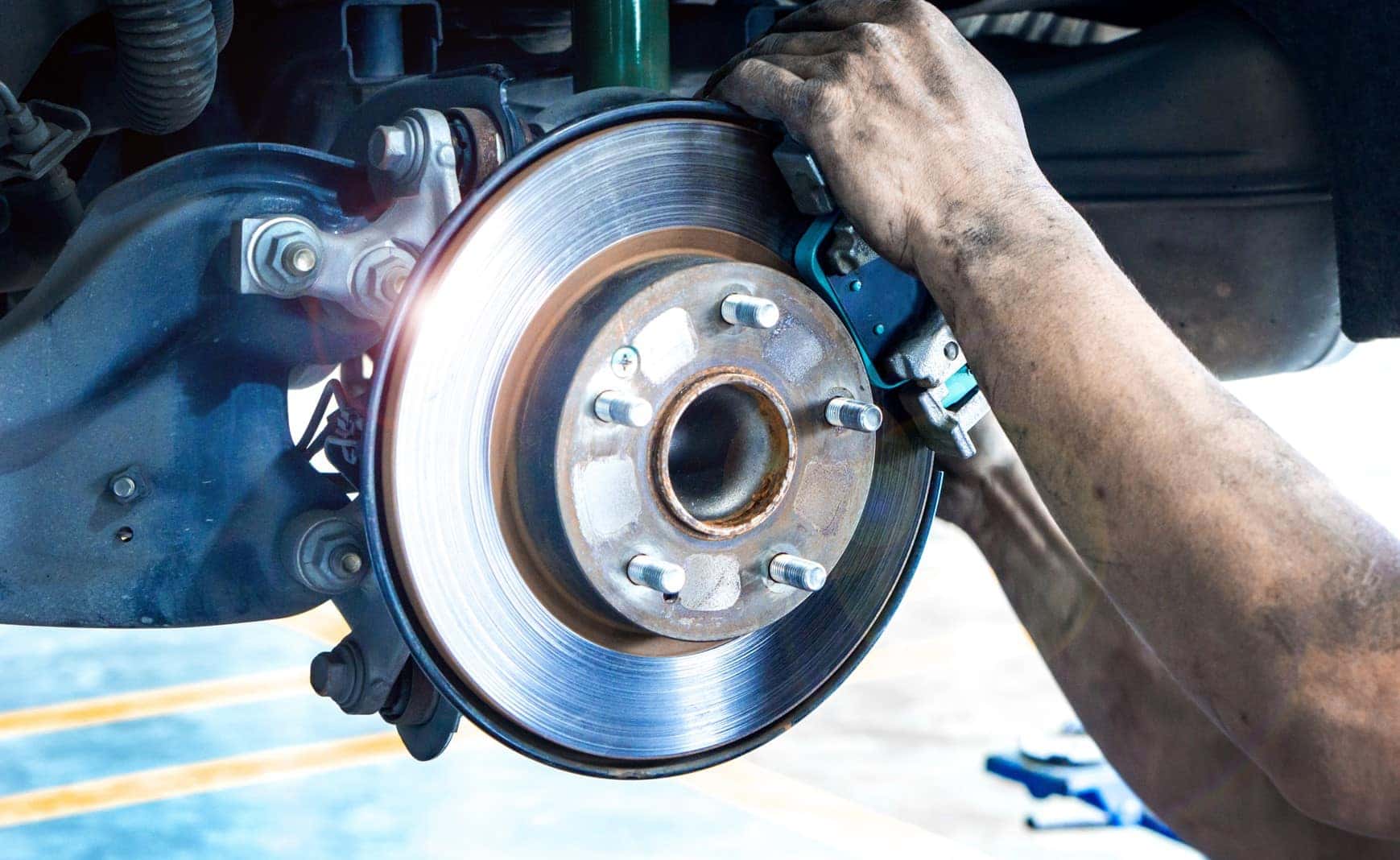
There’s a common saying: “What goes up must come down.” Well, when you’re talking about trucks and SUVs, we’d amend that to say, “What goes fast must eventually stop.”
The brake system in your vehicle has an incredibly important job, and it works incredibly hard, which means that eventually it’ll need servicing to make sure it stays functional. So, how do you know when it’s time for a brake job?
Here are some common symptoms of worn-out brakes.
How Car Brakes Work
Before we get into potential brake problems, let’s look at how a basic braking system works (it’s actually pretty simple).
- The driver presses down on the brake pedal.
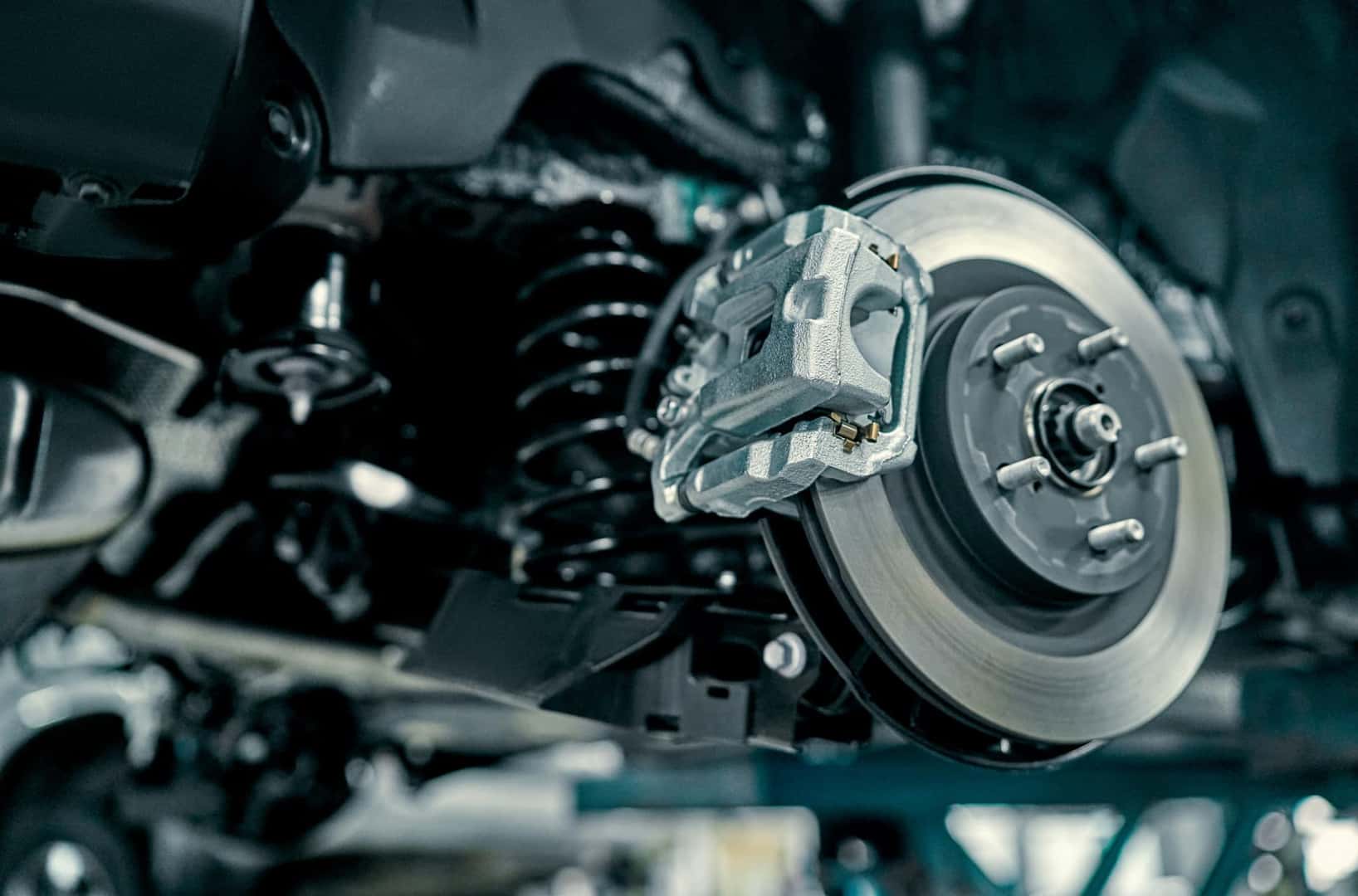
- The brake pedal pushes a piston in the master cylinder, which forces brake fluid through the system. There may also be a brake booster, which boosts the pressure inside the brake lines, so you don’t have to press on the pedal as hard.
- The hydraulic pressure from the brake fluid engages the brake calipers (disc brakes) or brake shoes (drum brakes)
- In a disc brake system, the calipers are attached to brake pads, which press against the brake rotors, causing the car to slow down.
- In a drum brake system, the brake shoes push against the drum, creating friction that slows the car down.
Not every brake system is the same. For instance, many modern cars don’t have drum brakes, while some have drums at the rear wheels and discs at the front. To find out what you’re working with, you can check your owner’s manual or ask your local service technician.
Signs of Brakes Going Bad
Now that we’re versed on the different parts of brakes in a car, let’s go through some telltale signs you may be due for brake repair near Destin, FL.
Warning Lights
If you experience an underlying problem with your brakes, the first thing you may notice is a brake indicator light on your dash. These lights can mean any number of things, from something simple like low fluid, to something potentially serious like a component failure.
If you see a brake warning light—especially if it’s red or accompanied by another light—you should consider having it towed to a service center as soon as possible.
Squealing or Grinding
Many brake pads are designed to emit a high-pitched squealing or whistling noise when they’re near the end of their lifespan. This is often your warning to get a brake job.
Squealing can also emit from brakes for a number of other reasons, including warped rotors, improper pad installation, or debris in between the pads and rotors.
If you hear a more pronounced grinding or grumbling, it often means that the pads are completely worn down, which results in metal-on-metal contact with the rotors. This will cause your brakes to not function properly, so you should have them fixed immediately.
Bad Vibrations
If you notice a shaking that emanates from the car when you brake, it can be a sign of worn-out brake pads, or the calipers may be seized. However, it can also be caused by other issues, such as improper wheel alignment.
Burning Smells
It probably goes without saying that you should never smell anything burning while you drive. One of the most common causes of burning smells is overheating brakes, which can be caused by low fluid or stuck calipers.
Slight burning smells can also be caused by simple things like new pads or dust accumulation. But, when in doubt, it’s best to have the vehicle checked, especially if the burning smell is persistent.
 Leaking Fluid
There are a few different kinds of fluid that can leak from your car, and brake fluid is among the most common.
Brake fluid comes in a number of colors, including light amber, red, and even blue, so it can be hard to identify if you’re not experienced, and it may take a professional to diagnose exactly where the leak is coming from.
One big hint that the leak is brake fluid is the location of the leak. If a puddle forms around one of the wheels, it’s a strong sign that a brake line is leaking.
Grooves in the Rotor
Over time, if brake pads aren’t changed or serviced properly, they can carve deep notches into the rotor, which are easily visible if you look through the wheels. Rotors in this condition should be changed out immediately.
Increased Stopping Distance
This one can be a bit hard to notice, because the difference is spread out over the course of months or years. However, if you feel that your car just isn’t stopping as quickly as it used to—especially in wet conditions—you can save yourself a lot of trouble later by having your brakes checked.
Spongy Brake Pedal
The brake pedal should feel responsive, and if it doesn’t, it could indicate a number of issues, including low brake fluid. It could also be a symptom of a faulty brake booster or master cylinder, but this is less common unless your car has some significant mileage on it.
Schedule Brake Repair in Fort Walton Beach
If you’re noticing any of the above issues, don’t put it off. Contact our certified service center near Shalimar, FL, and we’ll make sure your car is in tip-top shape so you and your family can drive safely. We use nothing but genuine GM parts, and our technicians are trained to know your vehicle frontwards and backwards.
If you’re worried about spending the money, ask our team about our service coupons and service financing options, which can save you truckloads of cash on routine maintenance and emergency repairs.
0 comment(s) so far on Signs of Bad Brakes: When to Repair or Replace